Synapse
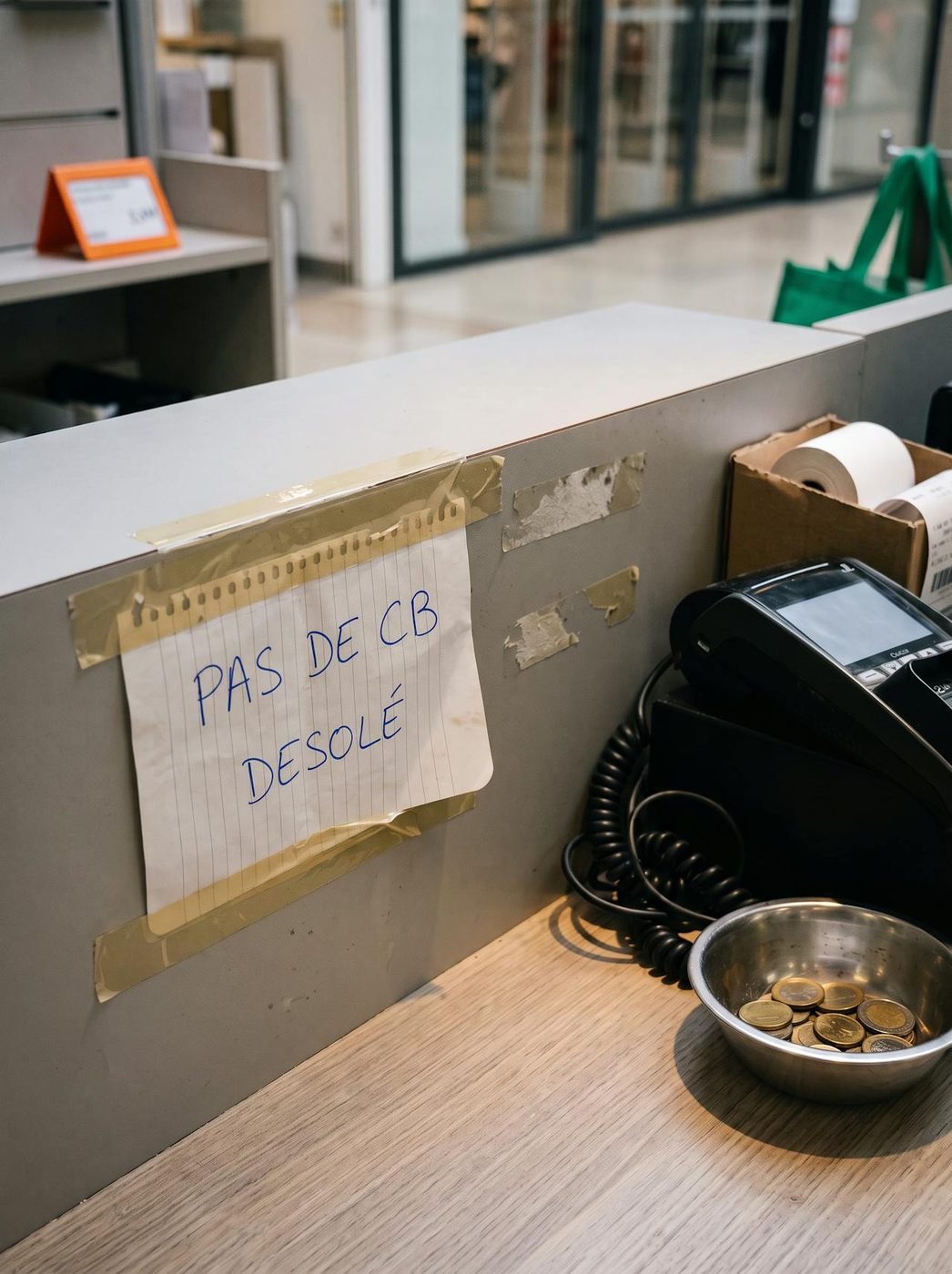
One store has had a “cash only” sign up since this morning. Three doors down, two card terminals are asleep under a register. Eight meters, and nobody knows.
Six weeks
in the corridors
of La Part-Dieu.
The system that lets
200 stores breathe
together.
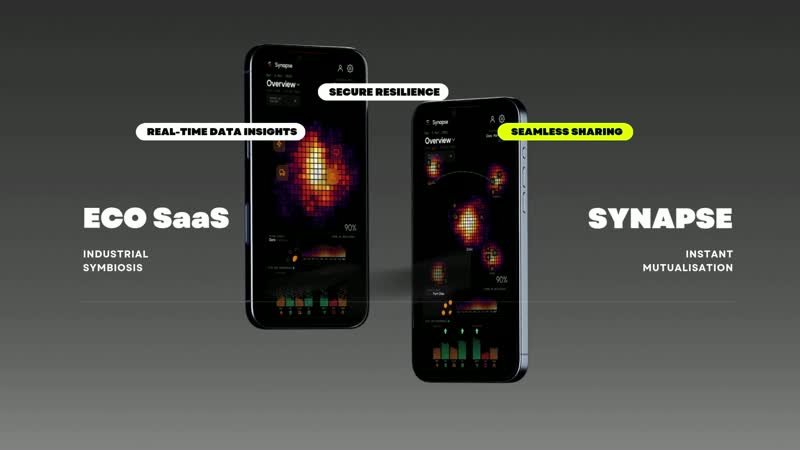
A dashboard
that looks outside.
Synapse shows what the stores around you have too much of, and what they’re missing. Across the whole building, in real time*.
between the need
and the offer
Powered by next door*
sleeps eight meters away.
A shortage has an address.
one building
in the corridors

Anonymous
The request goes out with no name, only to the stores that declared the resource.
Identities are revealed on agreement, never before.
Eleven counters say “cash only”…
while four terminals sleep three doors away.

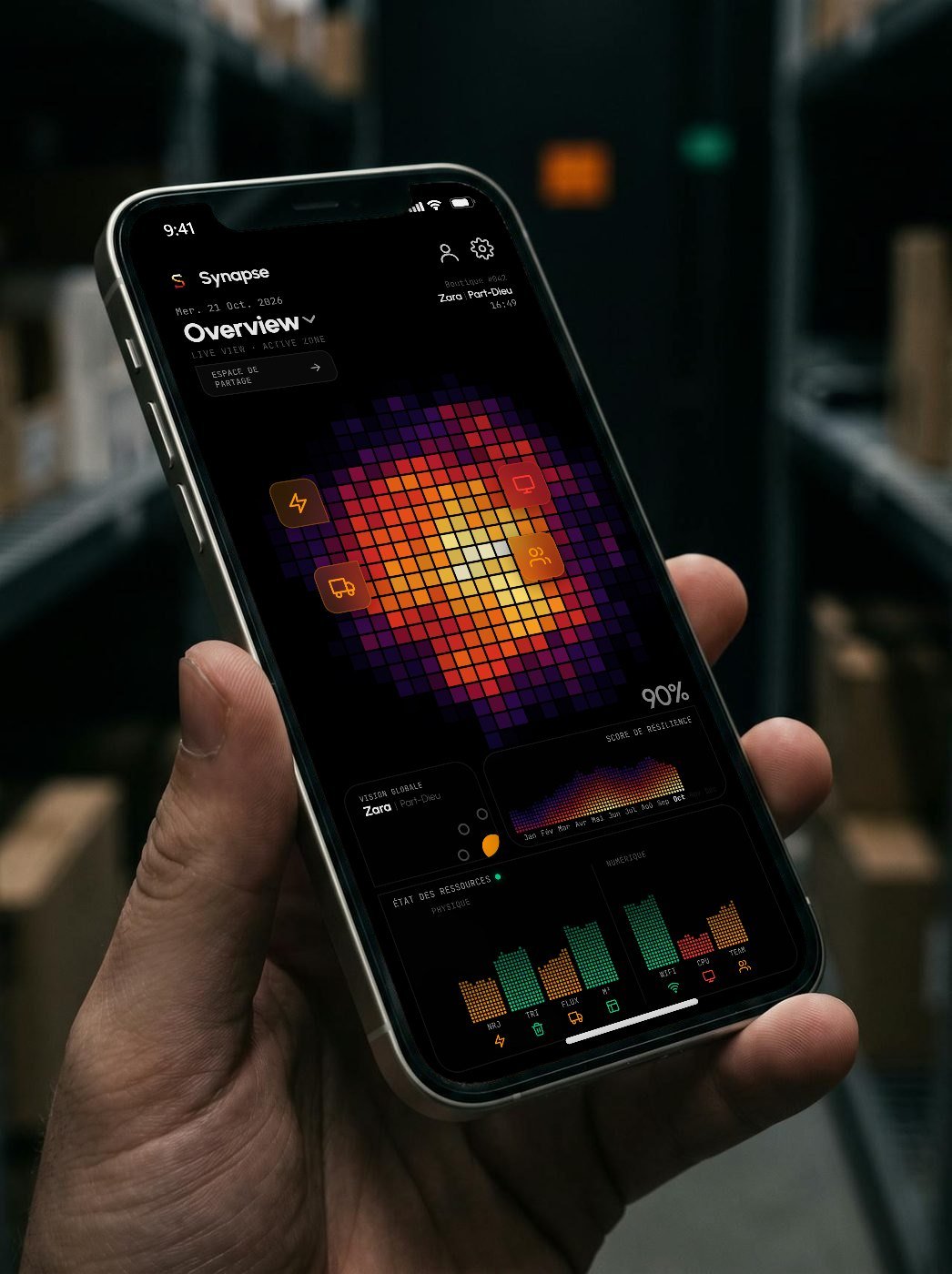
One cell per store, seven flows per cell. Cool violet means surplus, warm orange means tension. You feel the state of the building before you read it.
The heat
map
The score goes up when a store declares a surplus, answers a neighbor, closes an exchange. It goes back down when the store lets one slide. That score is what unlocks priority, not seniority.
The resilience
score
Posting a request takes six seconds. It doesn’t go out to all two hundred: it goes to the three neighbors who declared the resource. A message to someone commits them; a message to everyone commits no one.
The sharing
space
The algorithm suggests,
you approve
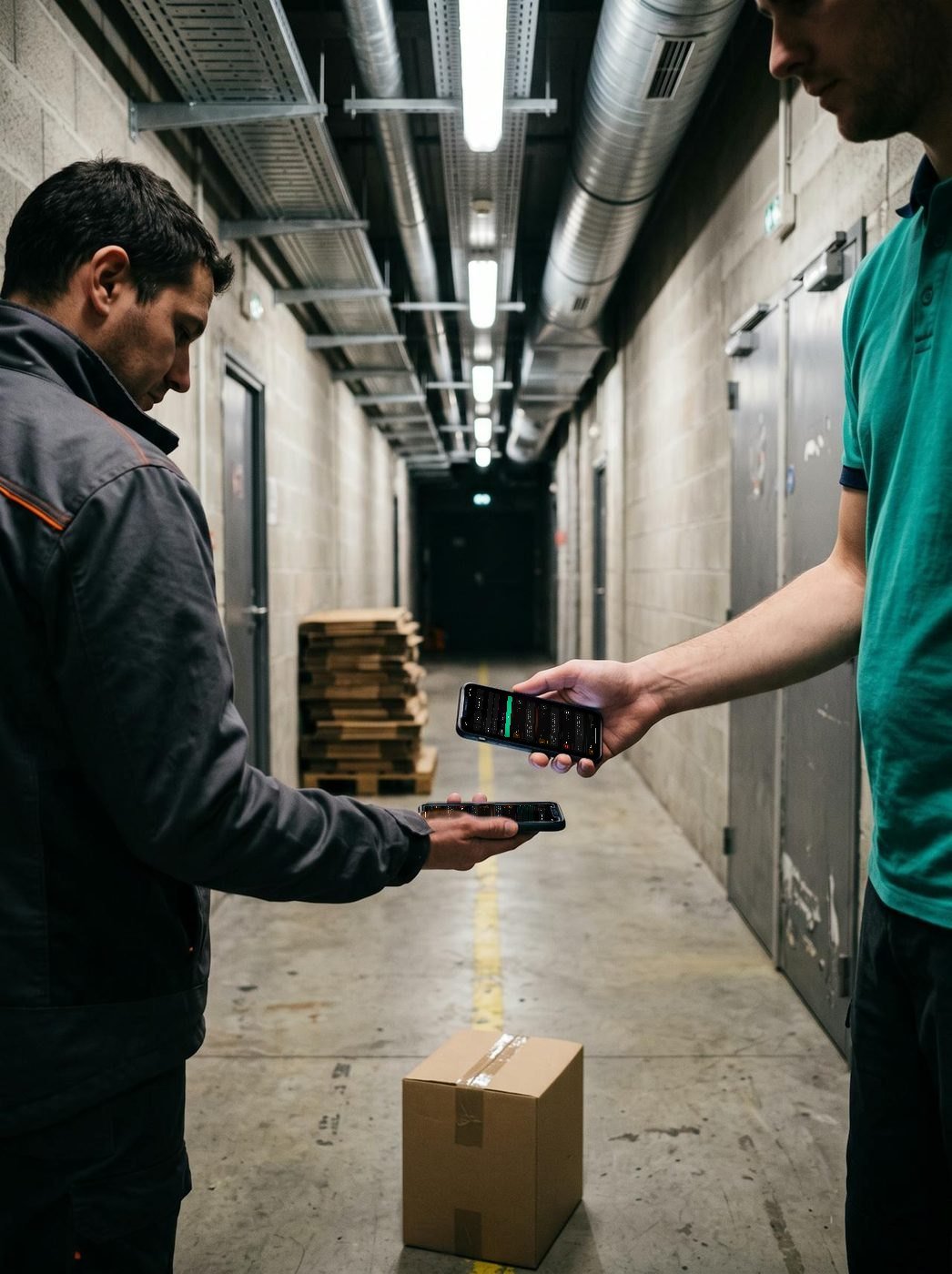
Three scenarios, never just one. The manager chooses, the algorithm executes nothing. Final approval happens in the corridor: ten seconds, two agreements, a time-stamped QR code that counts as a receipt.

Shortage spotted,
neighbor alerted
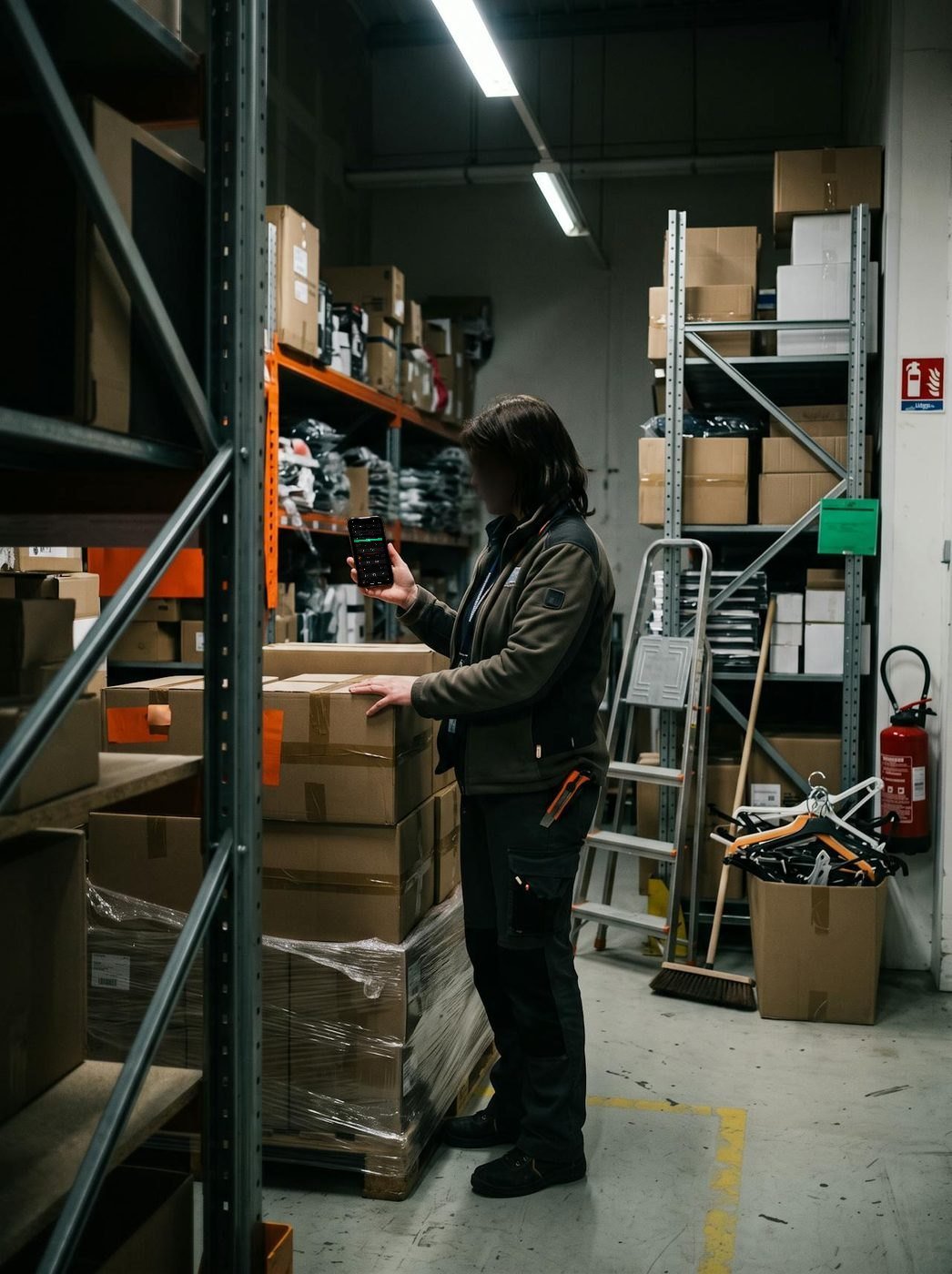
A terminal that gives out, a packed fitting room, Wi-Fi down: Synapse doesn’t file a ticket, it finds who has the resource in the building and asks them.
What a store has too much of or isn’t using: a spare terminal, a pallet jack, bandwidth, a spot on a truck, an hour of Saturday staff time.
Stores under
one roof
Two hundred shops, four levels, two service corridors. They share a building, customers and the same heat, and they run like islands.
The WhatsApp
group
The managers’ thread exists; they call it “vital.” Fewer than 30% of its messages get a reply, even the ones marked urgent.
Who gets
the request
Not to all two hundred, which means to no one. To the three neighbors who declared the resource, without saying who’s asking.
Three jobs,
three emergencies
The system doesn’t serve “the stores.” It serves people whose day breaks at specific points, and never the same ones.


Seven flows,
one orchestrator


Neighbors,
8 meters apart


The QR code
is the receipt

Seven
minutes

Nothing
new, except
the memory
Take a closer look
The dashboard
The app’s real screens, taken as they are. The opening screen: the store, its seven flows, its score. Cool violet means surplus, warm orange means tension.
- ✓One version, whatever the screen size
- ✓Two themes, black by default
- ✓Hosted in the building
The WhatsApp thread
The channel managers call “vital.” It exists, it’s free, and it buries urgency.
The orchestrator
The same human network, with a memory, a reach and a proof.
Abstract
Synapse-1 is a building-scale resource orchestrator. Three layers: physical flows (energy, heat, waste, equipment) read by in-store gateways, with a five-hundred-meter range and a round trip under eight seconds; intangible flows (bandwidth, computing, staff) that absorb what the physical side can’t; and the orchestration layer, a multi-objective matching engine that only ever shows people proposals they can approve, never the raw data, with anonymity guaranteed until agreement is given. Known limits: heavy dependence on shopkeepers, delivery schedules and goodwill. The pilot thresholds are set in advance: sixty percent of proposals accepted, three completed exchanges per store per month. Below that, the orchestrator is matching poorly, and we’ll have to say so.
Acknowledgments
A case study carried out alone, at La Part-Dieu: six weeks in the field, twenty-three interviews, a WhatsApp thread read with consent, and the energy bills of six brands.
Peer review
“I knew the store next door had what I needed. I spent three days getting it through head office.”
Ambroise Vasseur, store manager, level 2
BibTeX
@misc{synapse2026,
  title        = {Synapse-1: a building-scale resource orchestrator},
  author       = {Burin, Thibauld},
  year         = {2026},
  school       = {Strate, École de design},
  note         = {Field study, La Part-Dieu, Lyon. 23 interviews, 200 stores, 7 flows.}
}What people
ask me
The five questions that come up at every presentation. The answers come from the field, not from the concept.
Because it already exists, and it doesn’t work. Fewer than 30% of messages in the La Part-Dieu managers’ thread get a reply, even ones marked urgent: a message sent to two hundred people commits no one, since everyone assumes someone else will answer. Synapse sends the same request to three neighbors who declared the resource. It isn’t one more channel, it’s the same human network with a chosen reach.
A request goes out without a name. Identities are revealed at the moment of agreement, never before. That’s a condition set by the field, not an option: several managers refuse to let their head office learn they helped out a competing brand, and showing a surplus amounts to admitting overstock. Head office is told afterward, with the record.
The exchange is closed in the corridor: two agreements, a scanned QR code, a time-stamped record that counts as a receipt. Managers already keep a mental tally of favors given and favors owed; that mental ledger becomes a shared, binding one, so you no longer have to lend only to the five neighbors you know.
That’s exactly the point. Fourteen managers out of twenty-three already lend each other equipment hand to hand, with no record and no release slip. Competition happens in the shop window, not over a pallet jack or a card terminal. Synapse doesn’t create this mutual help: it gives it a memory and a reach.
In the building. The store gateways talk locally, the orchestrator runs on site, and people only see proposals they can approve, never the neighbor’s raw readings. The black background follows the same logic: it turns an OLED screen’s pixels off and lasts a full workday without recharging.

If I’ve got your attention,
mission accomplished.
And if a shopping mall can be made exciting, imagine what we can do for your project.
Write to Thibauldwith love ♥
if you like it